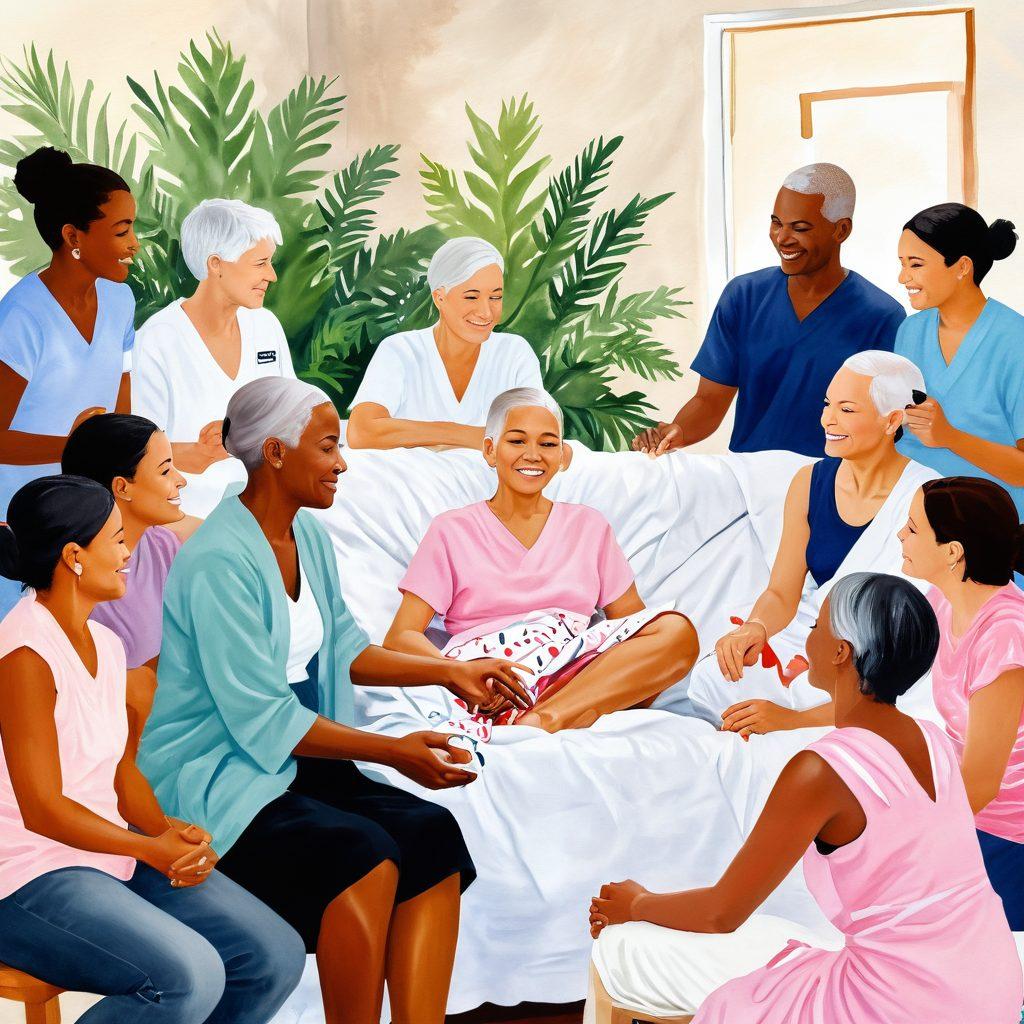
Navigating the Tumor Journey: Insights on Oncology, Treatment Options, and Survivorship
In a world where whispers of illness can often feel like an overwhelming storm, the journey through oncology is one that many experience but few truly understand. When faced with a diagnosis of a malignant tumor or carcinoma, the flood of emotions and questions can be relentless. What are my treatment options? How will this impact my life? In this comprehensive guide, we aim to unravel the mysteries of oncology treatment options, offering informed healthcare choices that empower patients on their journey toward wellness. The path may be fraught with uncertainty, but with the right information and support, it can also lead to hope and healing.
Navigating the landscape of treatment options begins with understanding the nature of the tumor itself. Whether it’s benign or malignant, each diagnosis tells a different story and necessitates a unique approach. With advances in medical research, patients are increasingly faced with choices that can include traditional methods like chemotherapy and radiation therapy, alongside cutting-edge innovations such as immunotherapy. The key to effective treatment lies in tailored plans that take into account not just the type of carcinoma but also the individual's overall health and lifestyle. So, how can you best prepare for those crucial conversations with your healthcare team?
Engaging in a dialogue with your oncologist is essential for informed decision-making. During these discussions, patients should feel empowered to ask about the specifics of their diagnosis, available clinical trials, and the potential side effects of treatment options. For example, exploring the realms of chemotherapy versus radiation therapy may present a long list of pros and cons that can seem daunting. But remember, as one survivor once shared, "Knowledge is my greatest ally in this fight!" One must embrace the journey of symptom management straight away, paving the way for an open exchange of ideas while fostering a comprehensive support network.
As illnesses evolve, so do treatment strategies. The integration of palliative care and holistic health approaches into conventional oncology treatments can significantly enhance quality of life. Not only can these approaches mitigate harsh side effects, but they can also promote a sense of wellness and balance amidst the chaos of treatment. Simple lifestyle changes, such as nutrition, exercise, and mindfulness practices, play a crucial role in prevention strategies and can help prepare patients for the battles ahead. Could adopting these lifestyle changes transform not just how one feels, but how one lives during and beyond treatment?
Finally, survivorship is not merely about pushing through illness; it is about reclaiming life and advocating for oneself and others. Joining support groups and participating in patient advocacy can foster a sense of community and shared experiences that bring comfort to those navigating similar paths. Cancer awareness is not solely about identifying symptoms or treatment methods; it extends into understanding the lived experience and learning how to thrive post-treatment. So, let’s work together to illuminate the journey, forging connections that transform struggles into stories of resilience and empowerment.
From Diagnosis to Survivorship: Navigating Your Tumor Journey with Confidence
The journey through a cancer diagnosis can feel like traversing an uncharted territory filled with uncertainty and fear. One moment, you’re living your everyday life; the next, you’re faced with the life-altering word: carcinoma. How do you deal with this massive change? How can you navigate your tumor journey with confidence? Understanding oncology—the branch of medicine that deals with cancer—can be the key to unlocking your path toward healing and wellness. This blog sheds light on the various aspects of navigating your tumor journey, from diagnosis to survivorship, offering a roadmap for those stepping into the unpredictable world of cancer treatment.
Imagine standing in your doctor's office, heart racing as they explain your diagnosis. You hear terms like chemotherapy, radiation therapy, and immunotherapy throw around like jargon but they actually represent the lifelines for many battling malignant tumors. It’s easy to feel overwhelmed by the sheer volume of health information and treatment options available. But it's important to remember that you’re not alone. Support groups and patient advocacy resources can provide reassurance and facts to help you understand your condition and its progression, empowering you to make informed decisions about your treatment.
Cancer isn't simply a medical condition; it’s a transformative experience that touches the very core of your being. It challenges you not only physically but mentally and emotionally. How will you approach these changes? Taking control starts with actionable steps. Whether it’s exploring clinical trials in medical research to find cutting-edge treatments or engaging in holistic health practices to promote overall wellness, each decision counts. It is essential to consider lifestyle changes and prevention strategies that can aid your recovery, ensuring you're taking care of both your body and mind.
As you journey through treatments like chemotherapy and radiation therapy, symptom management becomes a vital part of your life. Consider these words from a cancer survivor: "I learned to celebrate small victories. Every day I got out of bed was a triumph!" Each day is a step closer to survivorship, and small actions such as practicing mindfulness, attending support groups, and involving yourself in well-researched palliative care can significantly improve your quality of life during treatment. Engagement with others—whether fellow patients or healthcare professionals—builds a network of support that is crucial during this time.
Survivorship is not an endpoint; it’s a continuation of your journey. It often includes facing ongoing challenges and finding new ways to cherish life. Ask yourself—what wellness practices will carry you forward? Whether it’s yoga, meditation, or simply leaning into a supportive community, the choices you make today set the tone for your tomorrow. Knowledge is power, and understanding your tumor journey not only enhances your ability to cope with cancer but also helps you emerge with newfound strength and resilience. With every twist and turn of this journey, remember you have the ability to navigate it with confidence!
Empowering Patients: Insights on Support, Advocacy, and Holistic Health in Cancer Care
In the face of a cancer diagnosis, be it a malignant tumor or carcinoma, the journey can feel incredibly daunting. It’s hard not to feel overwhelmed by the barrage of health information and options available. A question that lingers in many minds is: How can I empower myself during this tumultuous time? The truth is, navigating the pathways of oncology treatment does not have to be done alone. By engaging with support groups and embracing patient advocacy, you can reshape your experiences into a story of strength and resilience. After all, knowledge is power, especially in the healthcare landscape where every decision matters.
Understanding the various treatment options available for managing cancer—including chemotherapy, radiation therapy, and immunotherapy—can leave patients feeling more informed and prepared. Imagine being an active participant in your own healthcare journey rather than a passive observer. Have you thought about how you would approach these treatments differently with the right support? Engaging with medical research and clinical trials that explore pioneering techniques can not only provide hope but also invaluable insights into personalized treatment plans that suit your health needs.
But let’s not forget the importance of holistic health in cancer care. It’s not just about treating the tumor or area affected; it’s about nurturing your entire being—mentally and physically. This calls for lifestyle changes that promote wellness and symptom management beyond conventional treatment. Whether it’s through diet adjustments, exercise, or even mindfulness practices, the road to survivorship opens up when we prioritize wellness as an integral part of recovery. Remember: your body is your home; treat it as such. How have lifestyle changes empowered your own journey in cancer care?
The reality of cancer often leads us to the concept of palliative care, which focuses on providing relief from pain and other symptoms associated with serious illnesses. It’s about reducing suffering and improving the quality of life. Engaging with this aspect not only offers physical relief but also emotional support through counseling and personal connections. Picture walking into a safe space where the sole purpose is to uplift and support you as you navigate the progression of your health. If you had the chance to express your deepest concerns with a trained professional, wouldn’t you take it?
Finally, amidst all the uncertainties, one undeniable truth stands out: survivorship is a powerful narrative. It’s a story that shines light on overcoming challenges and embracing a hopeful future. By sharing experiences and fostering open dialogues through cancer awareness campaigns, we collectively contribute to a larger narrative of healing and support. So, ask yourself: What small changes can you make today that can lead to larger strides in your journey? Remember, you are not alone—there is an entire community ready to walk beside you, empowering each other through every step of this incredible journey.